
Reishi: the “calm” mushroom, and what the science really says
People in the East have used reishi for over 2,000 years. Now it’s in coffee, tea and “calm” supplements everywhere. The history is real, but the science is younger and more modest than the ads suggest. Here’s an honest look at what reishi is, and what to believe.
When you’re wired but also worn out
Most energy products only push one way: more caffeine, more go. But a lot of us don’t need more push. We need the opposite, a way to feel awake without feeling frazzled. That “wired but tired” feeling is the gap reishi has always filled.
So what is reishi, and what does it actually do?
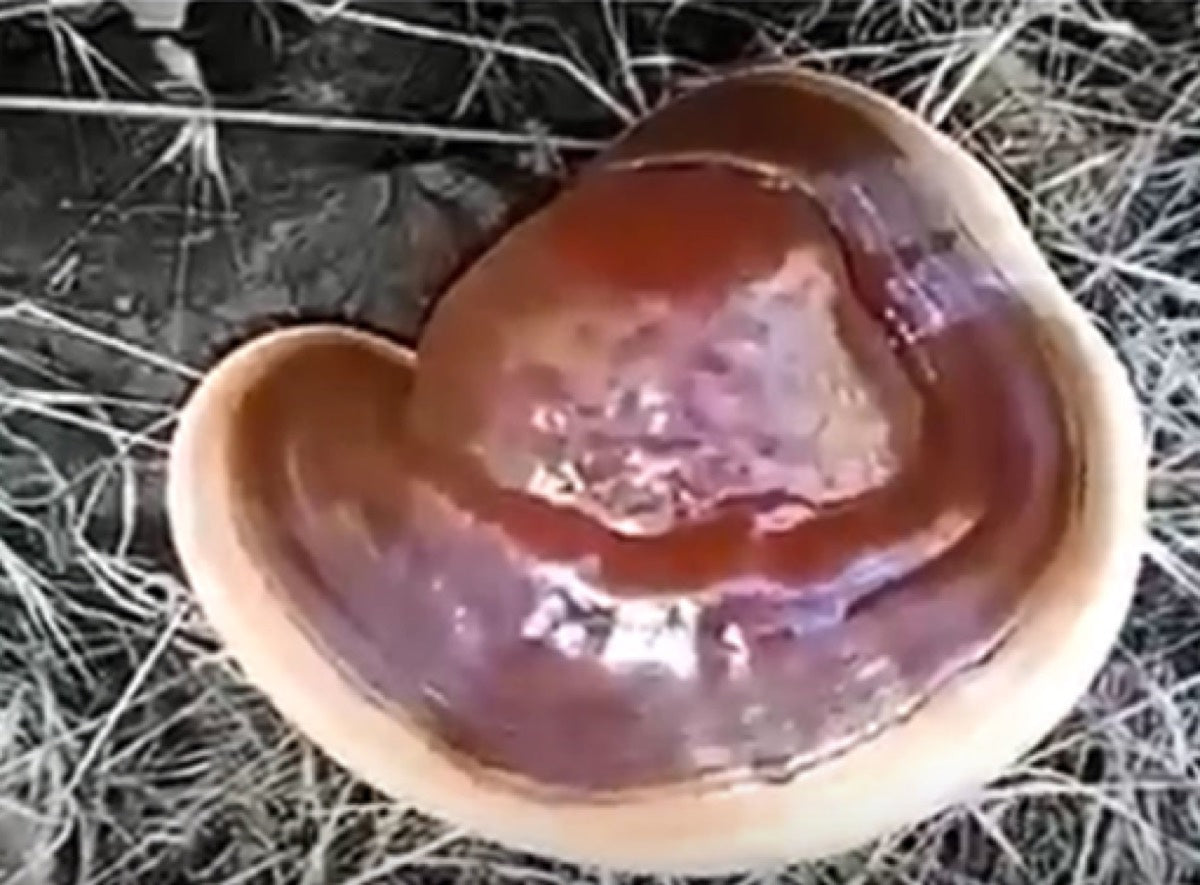
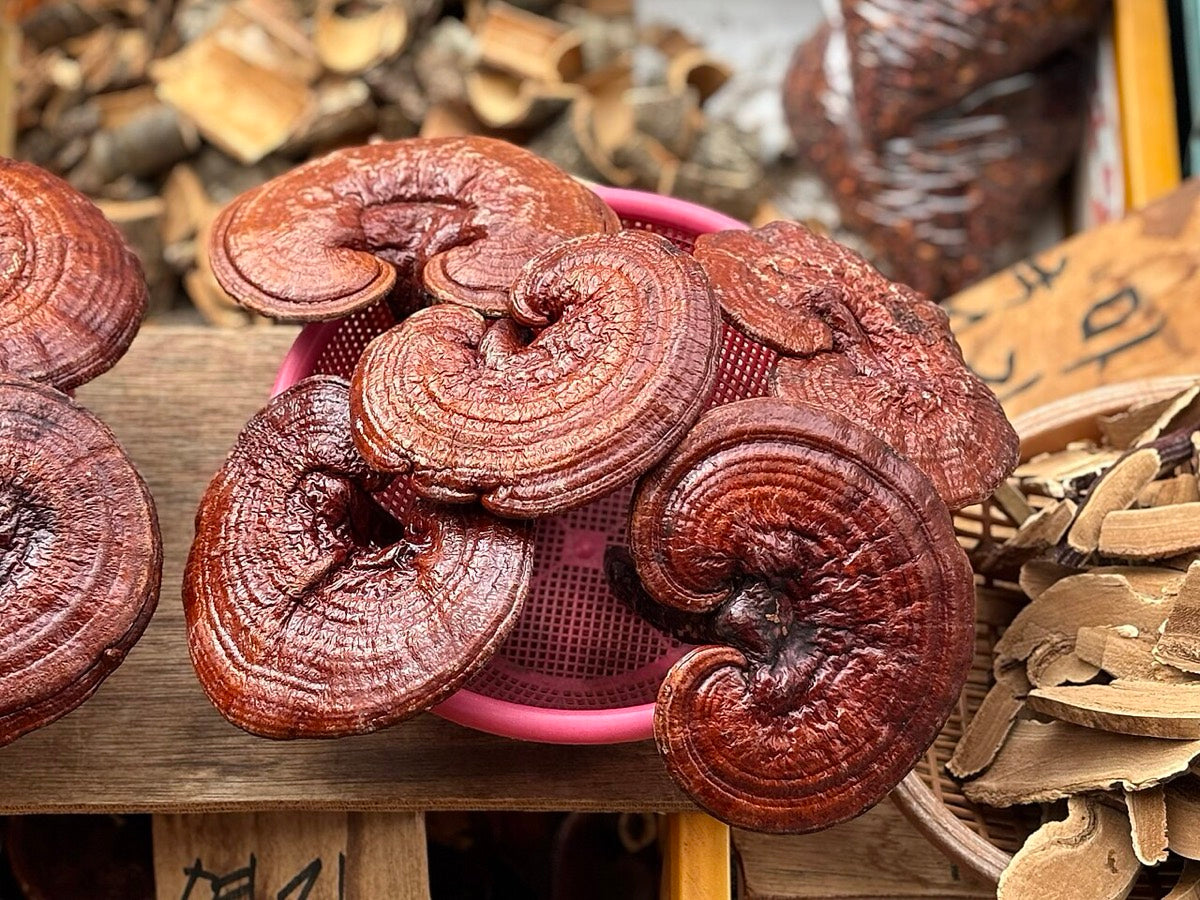
Reishi (Ganoderma lucidum) is a hard, woody mushroom that grows on trees. In China it’s lingzhi; in Japan, reishi. People across Asia have used it for over 2,000 years as a calming tonic.
You don’t cook it like a normal mushroom; it’s far too tough and bitter. Instead, the useful parts are concentrated into an extract, and that’s what goes into drinks.
It has two main compounds. Triterpenes (the ganoderic acids) give it that bitter taste. Beta-glucans, a kind of fibre, are the part most studied for the immune system.
Now the honest part, because this is where the marketing gets ahead of the facts. A large 2025 review of seventeen human trials found no clear effect on the things reishi is usually sold for, like blood sugar, cholesterol, blood pressure or inflammation. It rated the evidence as very low quality.
So the honest case isn’t a proven medical benefit. It’s 2,000 years of use as a calming mushroom, and its role as the steady, grounding part of a blend that also has more energising ingredients.
The big idea: balance, not another booster
This is why reishi works best in a blend, not on its own. On a busy morning it’s the steadying note, there to round things off, not rev you up.
Strip away the big health claims, and here’s the honest case for reishi:
Traditionally calming
Used for over 2,000 years as a grounding, restorative tonic.
A balancing note
In a blend it’s the calm counterweight to more energising ingredients.
Its own bitter compounds
Its ganoderic acids are found only in reishi, part of what makes it reishi.
The longest history
Of all the functional mushrooms, reishi has the longest record of traditional use.

Does it actually work?
Here’s the honest answer, and it’s the most cautious thing we say about any mushroom. The human research is still thin, and so far not very convincing for most of the popular claims.
The best recent review found no reliable effect on common health markers. A few small studies look promising, like one on immune markers, but they use bigger amounts than you’d get in a drink, and some are funded by the brands selling reishi.
So we won’t tell you reishi will fix anything. What’s true: it’s a deeply traditional, calming mushroom, and we include a sensible, clearly labelled amount in a balanced blend.
The honesty test: does the brand overpromise?
With reishi, the real question isn’t just the dose. It’s whether the brand is honest with you in the first place.
Because the proof is thin, reishi attracts the boldest claims: miracle immune cures, instant calm, “the secret of immortality.” Any brand using those lines is hoping you won’t check. It’s also often hidden in a vague “blend,” with no amount listed.
So before you buy, check three things:
- Does it name the exact amount of reishi?
- Does it use the real mushroom, the fruiting body?
- Is it honest about what the science does, and doesn’t, show?
Honesty about the limits is the best sign a brand is honest about everything else.
How I ended up taking it
I wasn’t looking for reishi on its own. The plain powder is very bitter, and I didn’t believe the miracle claims on most of it.
What I liked was reishi in its traditional role: a small, calming part of a balanced blend, folded into a habit I already had. My coffee.
That’s how I found Coffee 2.0 by Tasty Dose. It uses reishi as the calm counterweight to more energising ingredients like cordyceps and a little caffeine, names the exact amount, and doesn’t pretend reishi is a cure-all.
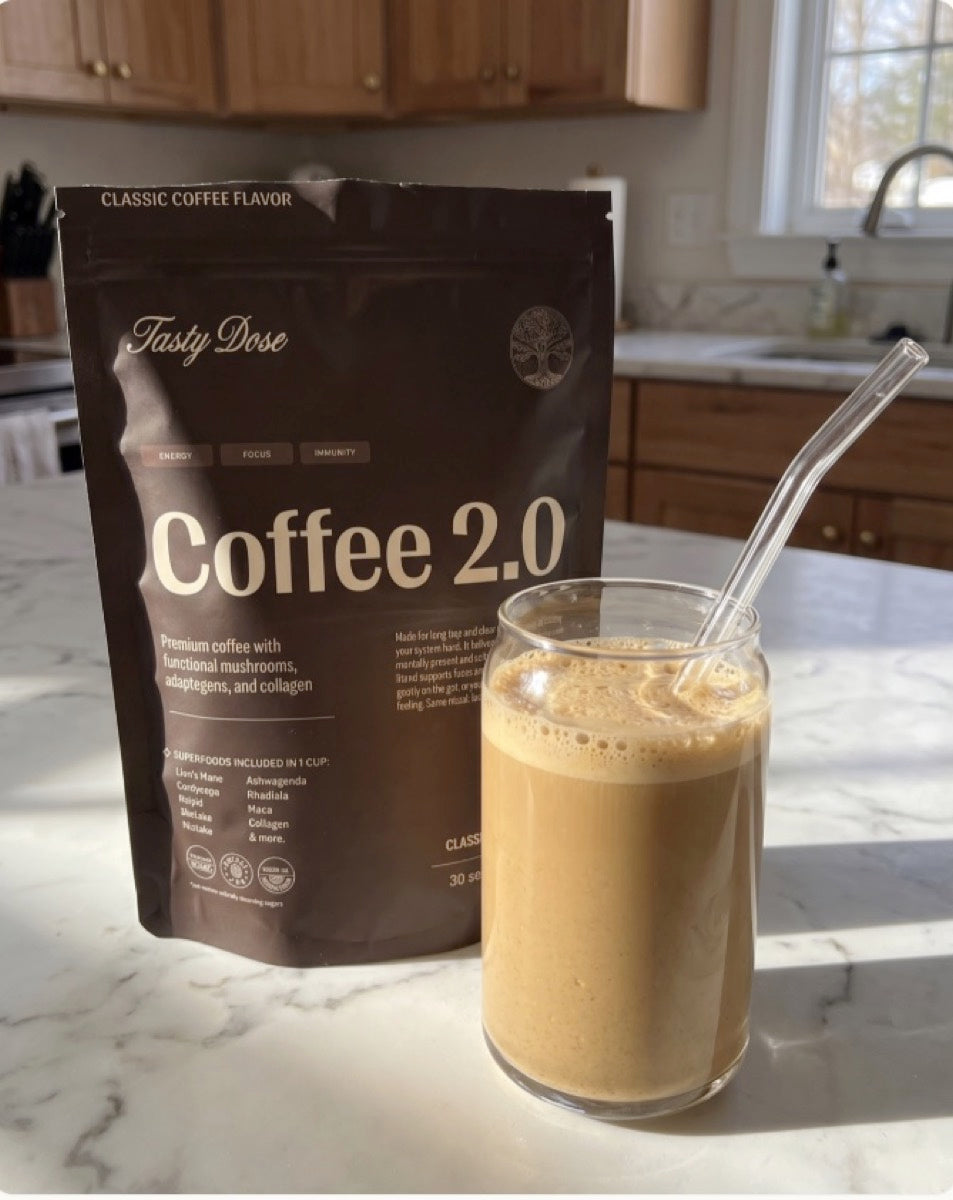
Here’s exactly what one serving gives you, with nothing hidden:
| Ingredient | Per serving |
|---|---|
| Reishi | 1,000 mg* |
| Tremella | 5,040 mg* |
| Lion’s Mane | 4,000 mg* |
| Samsoniella | 2,000 mg* |
| Shiitake | 1,000 mg* |
| Maitake | 1,000 mg* |
| Cordyceps | 960 mg* |
| 7 adaptogens: ashwagandha 160 mg, rhodiola 100 mg, maca 250 mg, plus collagen and more | |
| Caffeine | about 100 mg |
*Fresh-mushroom equivalent, concentrated into an extract. (The reishi is a 100 mg 10:1 fruiting-body extract, equal to 1,000 mg of fresh mushroom.) That’s 15,000 mg of mushrooms per cup, every amount printed on the pack.
Get the Starter PackSee the full offer →A straight word on the reishi. At 1,000 mg fresh-equivalent, it’s at the gentler end of what’s been studied, and we’re upfront about that. We don’t add it to hit a heroic dose or make a medical claim. It’s here for balance and tradition, as one named, honest part of a seven-mushroom stack. You can see exactly how much is in your cup, more than most brands will show you.
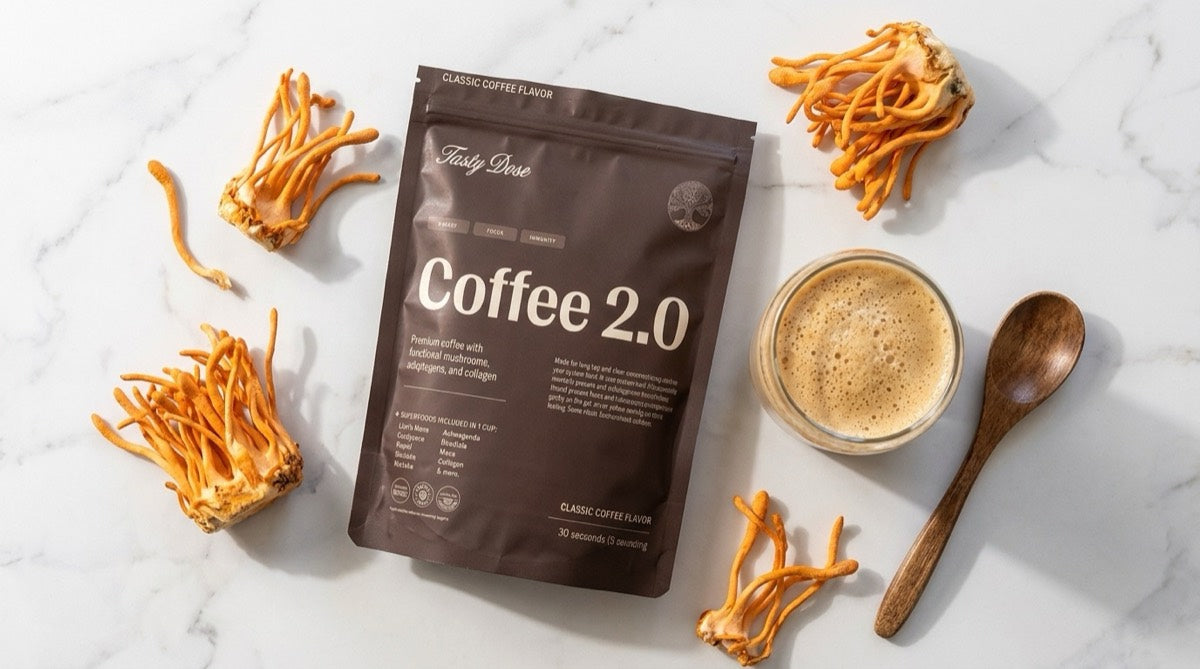
And no, you won’t taste the bitterness. It still tastes like smooth coffee, a little lower in acid than a strong dark roast.
It’s an easy switch, too: same morning, same mug. The reishi just comes along for the ride.


Coffee 2.0 Starter Pack
A full month in one bag: 30 cups, five flavours, and a 90-day money-back promise. If it’s not for you, you get your money back.
Quick questions
Will reishi make me sleepy?
No. Despite its calm reputation, reishi is not a sedative, and there’s no strong evidence it makes you drowsy. In Coffee 2.0 it sits next to about 100 mg of caffeine, so your cup is still a morning pick-me-up.
Does it really boost your immune system?
Honestly, the human evidence is limited and not yet convincing. We value reishi for its long tradition and its balancing role in the blend, not as a proven immune cure, and we won’t claim it is one.
Does it taste bitter?
Not in the cup. On its own, reishi is very bitter. But here it’s a fine extract powder in a small amount, so all you taste is smooth coffee.
Is it safe?
Reishi is widely used and most people tolerate it well. As with any supplement, if you’re pregnant, breastfeeding, taking medication (especially blood thinners or blood-pressure medicine) or managing a health condition, check with your doctor first.
→ See Coffee 2.0 and today’s offer